Alternative Meats: Your Guide to Plant, Fungi, and Cell-Based Protein

Alternative protein is changing the way the world eats. Plant-based burgers, mycelium steaks, and cultivated meat grown from real animal cells are reshaping the food industry. Alternative Meats is here to help you understand it all. We break down the science and the sourcing behind every protein category, so you can make informed choices without wading through industry jargon.

OUR MISSION

An Information Hub for the Alternative Protein Industry

We built Alternative Meats to close the knowledge gap around alternative protein. Our goal is simple: make accurate, accessible information available to everyone. That includes curious home cooks and industry professionals alike. We aim to:


  1. knowledge on the alternative protein industry freely and easily accessible

  2. Support companies in the plant-, fungi-, and cell-based protein space with clear communication and industry insight

  3. Build greater consumer awareness around the environmental and health impact of animal product consumption

Explore Protein Categories

Every alternative protein comes from a different process and fits a different priority. Start with the category closest to your goals.

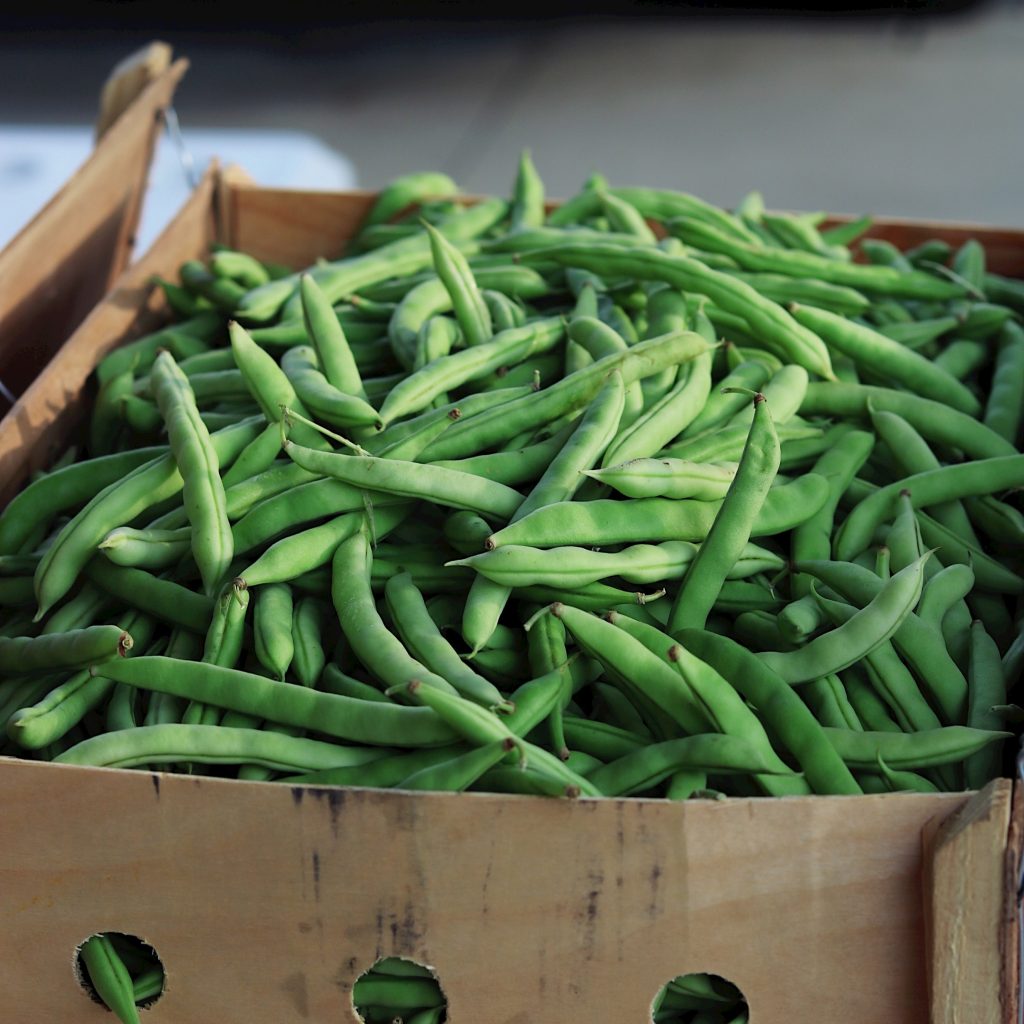
Soy and pea protein ingredients used in plant-based meat

Plant-Based Protein

Plant-based protein draws from sources like soy, peas, and wheat. It’s widely available and budget-friendly, making it the easiest starting point for most people reducing meat consumption.

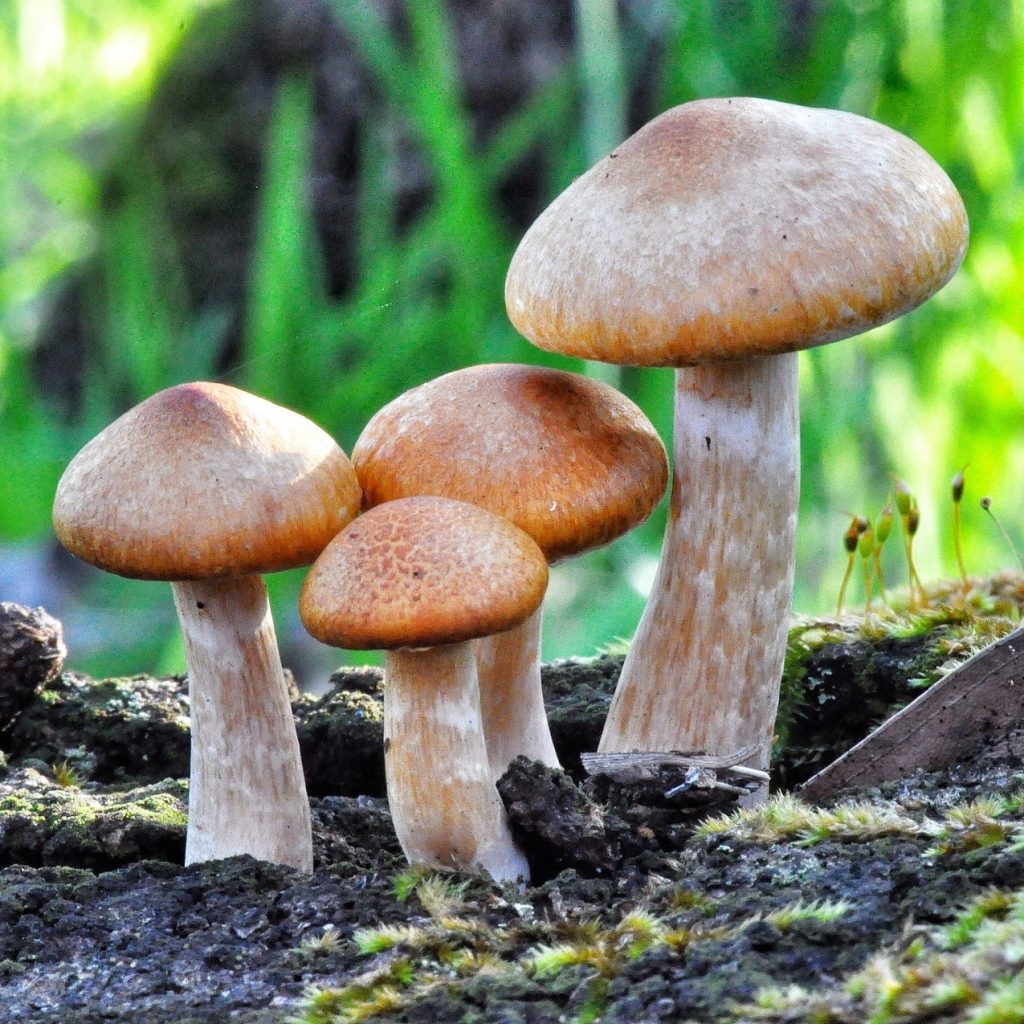
Close-up of mycelium texture used in fungi-based protein

Fungi-Based Protein

Fungi-based protein comes from mycelium, the root structure of fungi. It’s naturally high in fiber and requires minimal processing compared to other alternatives.

lab used to grow cell-based cultivated meat

Cell-Based Protein

Cell-based protein is grown directly from animal cells in a controlled environment. It delivers the taste and texture of conventional meat, with no animals raised or slaughtered in the process.

Featured Guides

Our library covers everything from beginner explainers to deep dives on production methods, from how mycelium protein is fermented to how cultivated meat clears regulatory approval. New guides are added every week, covering new products, new research, and new companies entering the space.

View all guides →

Mycelium Protein Is Fermented

FUNGI – BASED

How Mycelium Protein Is Fermented, Step by Step 

The production process behind one of the fastest-growing protein categories.

Cultivated Meat from lab to home

CELL BASED

How Cultivated Meat Clears Regulatory Approval

What it takes for lab-grown meat to reach a grocery shelf.

Plant-Based vs. Animal Meat

PLANT – BASED

Plant-Based vs. Animal Meat: A Nutrition Comparison

A side-by-side look at protein, fat, and micronutrient content.

WHO IT’S FOR

Who Alternative Meats Is For

No matter why you’re here, you’ll find something useful.

01

Home Cooks

You’re curious about a new product on the shelf, or want to know what’s actually in your plant-based burger. Our beginner guides explain ingredients and nutrition in plain terms.

02

Industry Professionals

You track competitors, regulation, and market shifts across plant, fungi, and cell-based protein. Our deeper guides cover production methods and regulatory approval in detail.

03

Investors and Entrepreneurs

You want a clear-eyed view of where the alternative protein industry is headed. We cover company news, funding trends, and where consumer demand is moving next.

WHY ALTERNATIVE PROTEIN MATTERS

Traditional meat production places significant strain on land, water, and energy resources.

Alternative protein offers a path toward feeding a growing global population while easing that strain. Understanding these options isn’t just about personal diet choices. It’s about understanding where the food industry is headed. Major food companies, grocery chains, and restaurant brands are already adjusting their offerings in response.

01

Resource Strain

Conventional meat production places heavy demand on land, water, and energy resources.

02

A Growing Population

Alternative protein offers a path toward feeding more people while easing that strain.

03

Where Food Is Headed

These aren’t just diet choices. They point to where the food industry is going next.